Brushing your teeth, making a cup of tea, or sending a quick email. These are all tasks people complete every day in 10 minutes or less.
Surprisingly, another task that many people spend 10 minutes or less on is investment research. According to a recent National Bureau of Economic Research study, the median retail investor spends just six minutes researching each stock they trade.
Consider that for a moment. Many retail investors spend more time choosing between Earl Grey and English Breakfast tea than analyzing a stock. This lack of careful research is a major reason why so many retail investors struggle. Too often, decisions are driven by emotion, fear, or FOMO rather than solid fundamentals.
The Research Behavior of Individual Investors
Most individual investors don’t mean to be careless. Many actually think they are doing research. The issue is what counts as “research” in real life. For many, it means reading a headline, checking a stock’s recent price, or skimming a few social media comments. While this feels productive, it rarely addresses the important questions.
Retail investors also tend to research only when something catches their attention, rather than following a set process. A stock might appear on Reddit, make the news, or start trending after a big move, and that’s when the research starts, often in a hurry.
This leads to acting quickly rather than fully understanding. Instead of calmly assessing whether an investment fits a long-term plan, investors often rush to justify a decision they already want to make.
This results in shallow analysis, inconsistent decisions, and portfolios based more on stories than on real evidence.
Why Do Retail Investors Fail?
The well-known claim that most retail investors fail to beat the market isn’t about intelligence or effort. It comes down to structure. Most investors lack a clear process for research, risk management, and decision-making. Without these guidelines, emotions take control.
Losses can feel personal. Wins can feel like skill, even if they’re just luck. Over time, this causes overconfidence when things go well and panic when they don’t. When you add leverage, short time frames, and nonstop market noise, small mistakes can add up fast.
Unrealistic expectations are another problem. Many investors start out expecting to win often and see quick results. When reality doesn’t match up, they trade more aggressively to try to recover, but this usually makes things worse.
Why Investment Is Difficult
Markets are complicated and always changing. Prices move for a variety of reasons: fundamentals, expectations, market positions, big-picture trends, and human behavior. Even if you guess the direction right, timing can still go against you.
Too much information makes things even harder. Investors now have more data than ever, like earnings reports, economic updates, analyst opinions, charts, indicators, and social media trends. The real challenge isn’t finding information, but figuring out what matters and what doesn’t.
There’s also the psychological burden. Humans are wired to avoid loss and seek certainty, yet markets offer neither. Holding a position through volatility, sticking to a thesis when headlines turn negative, or doing nothing when the best course of action is patience all run counter to our instincts.
How to Make Learning Stocks Easier
The answer isn’t to spend hours reviewing spreadsheets for every stock item. Instead, make your research more organized, consistent, and efficient.
Begin with a clear plan. Decide what’s important to you before you even look at a stock. These could include revenue growth, profitability, balance sheet health, competitive landscape, and valuation. When you know what to look for, your research gets quicker and more focused.
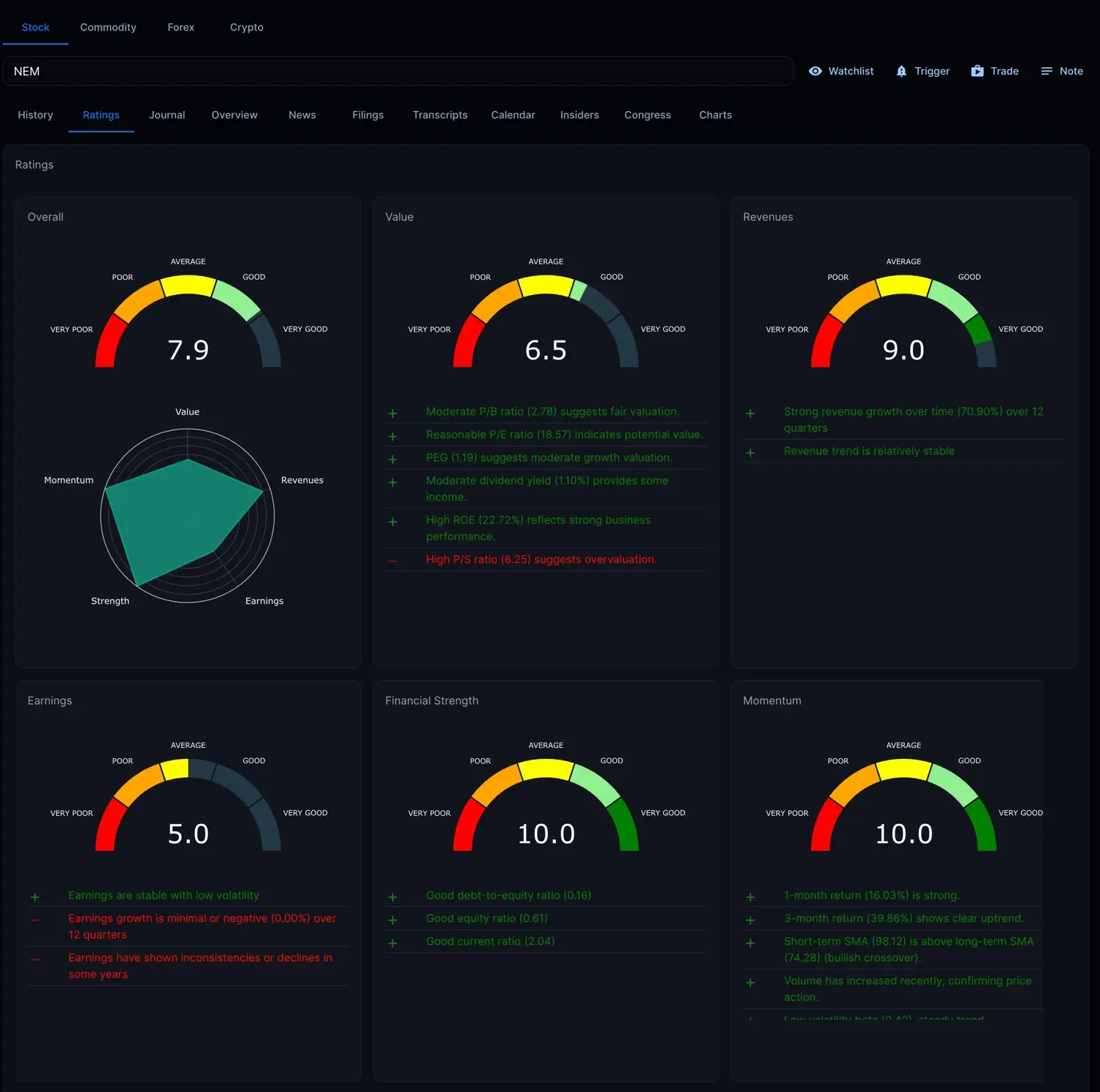
Automation is also important. Tools that highlight key filings, summarize earnings, track important metrics, and customizable stock alerts that notify you of material changes help reduce manual work. Instead of starting over each time, you can review helpful insights already gathered for you.
Finally, consistency is more important than perfection. Following a good process consistently outperforms doing deep research only sometimes and then making quick trades. The goal isn’t to predict every market move, but to make better choices more often and with less stress.
In investing, spending just six minutes on research often leads to months of regret. Being disciplined doesn’t guarantee you’ll win, but it greatly improves your chances. And unlike picking a tea, making a mistake here can cost a lot more.
Instant Stock Analysis
At Finbotica, we know that fundamental analysis is tough, and changing how you invest is even tougher. That’s why we created a service that performs investing framework with stock analysis and rates over 80,000 stocks across more than 60 global exchanges, using our transparent stock ratings methodology. What used to take hours can now be done faster than making a cup of tea.